
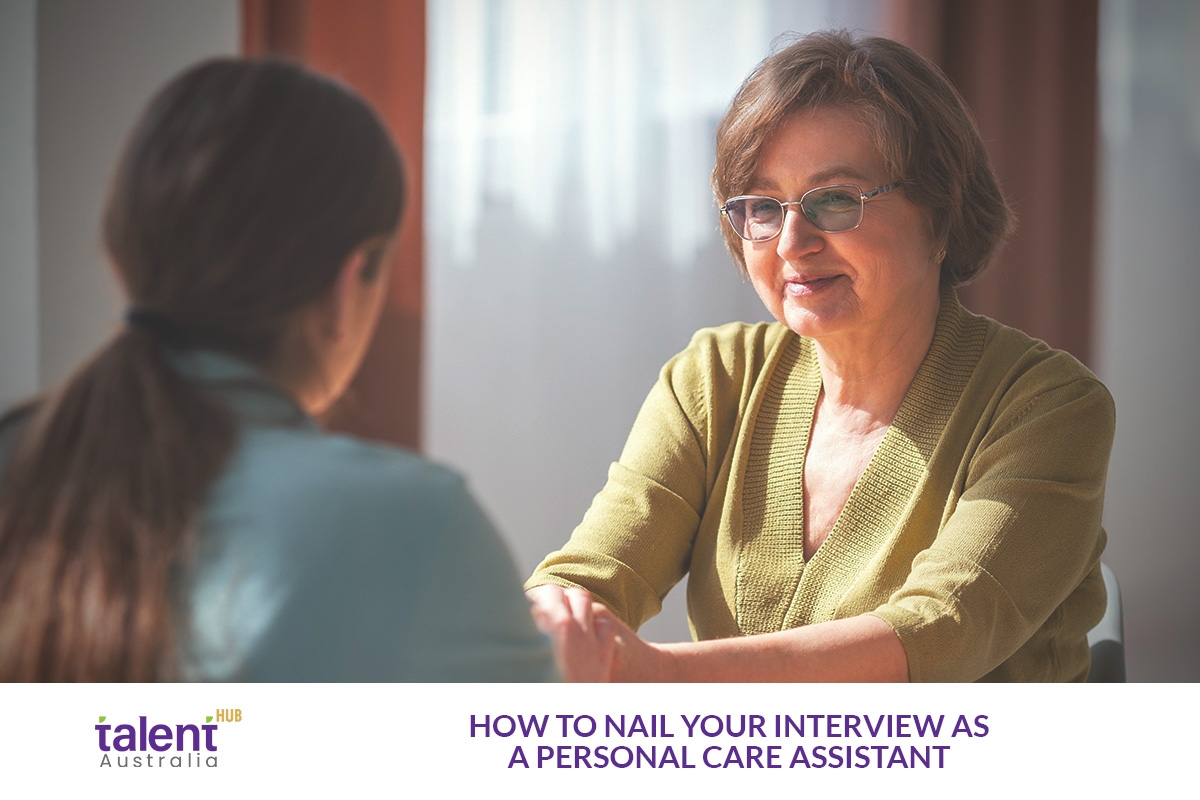
Preparing for a Personal Care Assistant (PCA) interview can feel overwhelming, especially if you are entering the healthcare or disability support sector for the first time. However, with the right preparation, confidence and understanding of employer expectations, you can make a strong impression. This guide provides practical Personal Care Assistant interview tips to help you present yourself as a capable, compassionate and professional candidate.
Start by Understanding the Role Clearly
Before the interview, take time to understand exactly what the employer expects. This step is crucial because it shows that you are serious about the position and ready to support clients effectively.
To prepare effectively, research:
- The organisation’s services and values
- The client groups they support (aged care, disability, NDIS, community care)
- Daily PCA responsibilities such as personal hygiene, mobility support, meal preparation and documentation
By walking into the interview with this knowledge, you demonstrate readiness and professionalism from the start.
Demonstrate Genuine Empathy and Compassion
Empathy sits at the heart of personal care. Therefore, employers pay close attention to how you express understanding, patience and respect for client needs.
During the interview, show compassion by:
- Using respectful, client-centred language
- Sharing examples of supporting others with patience and kindness
- Explaining how you maintain dignity during personal care tasks
- Showing awareness of different emotional and physical needs
This helps interviewers feel confident in your ability to deliver person-centred support.
Communicate Clearly and Confidently
Communication is essential in a PCA role because you interact with clients, families and healthcare professionals every day. As a result, your interview should demonstrate that you can communicate calmly and effectively.
Improve your communication impact by:
- Speaking clearly and at a steady pace
- Listening carefully before responding
- Keeping answers structured and focused
- Showing how you adapt communication styles for clients with cognitive impairments
Your communication style in the interview reflects how you will connect with clients on the job.
Show You Can Stay Calm Under Pressure
Personal care environments can be unpredictable. Employers need reassurance that you can remain composed in challenging or emotional situations.
Demonstrate this by explaining:
- How you manage distress, confusion or sudden changes
- The steps you follow during emergencies or falls
- How you stay calm when working under pressure
- Your awareness of escalation procedures and safety protocols
This highlights your resilience and reliability key qualities in care roles.
Highlight Your Problem-Solving Skills
Employers value PCA’s who can think quickly and respond responsibly. Whether it is adapting care to suit a client’s needs or identifying early health changes, problem-solving plays a major role.
Strengthen your responses by discussing:
- A time you adapted your approach
- How you prioritise tasks during busy shifts
- How you recognise and report health or behavioural changes
- How you resolve misunderstandings professionally
This shows you can handle real-world care situations confidently.
Emphasise Knowledge of Privacy, Rights and Dignity
Because care work is highly personal, employers must ensure you understand boundaries, confidentiality and dignity.
Highlight your awareness by explaining:
- How you protect confidentiality
- How you maintain dignity during personal care
- Why choice and consent matter
- How you respect cultural, physical and emotional needs
This reassures employers that you will uphold professional standards.
Show Awareness of Safe Care Practices
Even if you are new to the industry, demonstrating safety knowledge strengthens your credibility.
Mention your understanding of:
- Infection control
- Manual handling and mobility assistance
- Safe meal preparation
- Documentation and reporting
- Using mobility aids safely
This demonstrates responsibility and attention to detail essential traits in care.
Use Real Examples to Strengthen Your Answers
Employers want real-life examples that prove your abilities. Use the STAR method (Situation, Task, Action, Result) to deliver clear and persuasive responses.
Choose examples that highlight your:
- Empathy
- Reliability
- Communication
- Problem-solving
- Safety awareness
This approach makes your answers more memorable and impactful.
Prepare for Common PCA Interview Questions
Although every employer is different, many will ask similar questions. You might hear:
- “What motivated you to become a Personal Care Assistant?”
- “How do you support a client who refuses care?”
- “How do you handle stressful or emotional situations?”
- “What steps do you take if a client has a fall?”
- “How do you maintain privacy and dignity during care?”
Use your preparation and examples to answer confidently and professionally.
End the Interview With Confidence
Close the interview by asking thoughtful questions such as:
- “What types of clients will I support?”
- “What training or onboarding do you provide?”
- “What qualities do you value most in your PCA’s?”
Ending confidently shows enthusiasm and genuine interest.
Final Thoughts
Nailing your PCA interview involves combining preparation, empathy and professionalism. By showing awareness of safety, demonstrating strong communication and providing real examples of compassionate care, you position yourself as a capable and confident candidate. These Personal Care Assistant interview tips will help you enter your interview with clarity and leave with confidence.
How Talent hub Can Support Your Journey
If you are preparing for a PCA role, Talent hub can support you by connecting you with suitable job opportunities and providing guidance to help you feel confident throughout your job search. We understand the qualities employers look for in personal care and support roles.