Telehealth has become a valuable part of Australian healthcare delivery. It supports flexible care models and helps teams connect with patients beyond traditional clinic settings.
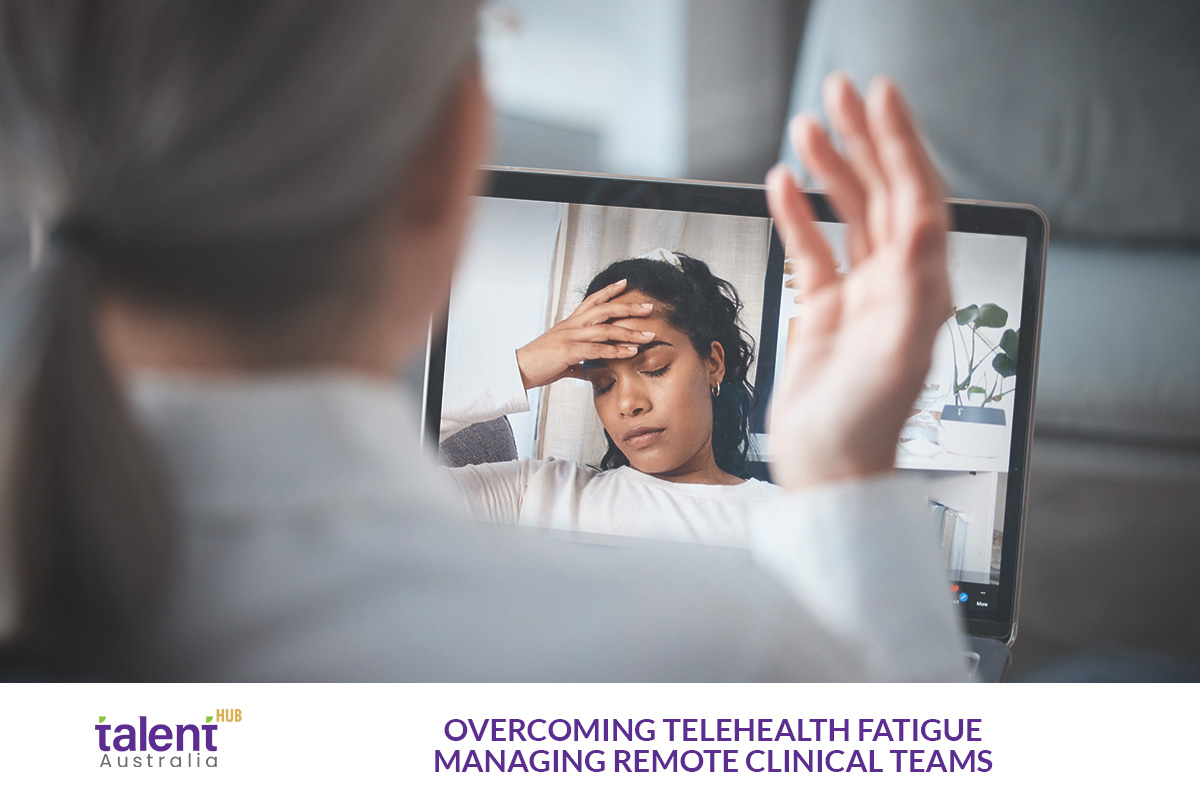
However, remote clinical work also creates new workforce challenges. Back-to-back consultations, screen-heavy administration and limited team interaction can contribute to telehealth fatigue.
For Brisbane healthcare providers, the solution is not simply holding fewer video calls. Leaders need to design better remote workflows, recruit suitable people and protect time for focused clinical work.
What Is Telehealth Fatigue?
Telehealth fatigue describes the physical and mental strain linked with extended periods of virtual clinical work. It can develop when clinicians move between video consultations, digital records and online meetings without enough recovery time.
Common signs may include reduced concentration, headaches, eye strain, irritability and declining motivation. Some clinicians may also feel disconnected from colleagues.
Remote healthcare teams need clear systems that support both professional wellbeing and high-quality patient care.
Australian telehealth guidance expects practitioners to maintain appropriate professional standards during virtual care. Healthcare providers should therefore treat sustainable workloads and good clinical systems as essential workforce priorities.
Reduce Back-to-Back Virtual Consultations
A full day of continuous telehealth appointments can place unnecessary pressure on clinicians.
Managers should build short breaks between complex consultations whenever operationally possible. Clinicians also need enough time for notes, referrals and follow-up tasks.
A realistic schedule could include several consultations, followed by protected administration time. This approach reduces task switching and helps clinicians complete records while details remain fresh.
Healthcare leaders should also review appointment length. Some consultations may require more time because of patient complexity or communication needs.
Good scheduling supports both clinician wellbeing and better patient experiences.
Create Clear Communication Rules
Remote teams often experience communication overload. Messages can arrive through email, phone calls, chat platforms and video meetings throughout the day.
Managers can reduce this pressure by creating clear communication guidelines.
- Use urgent channels only for genuinely time-sensitive matters.
- Keep routine updates within agreed team platforms.
- Replace unnecessary meetings with concise written updates.
- Establish realistic response expectations outside clinical hours.
- Create regular times for case discussions and team support.
Clear communication helps remote clinical teams focus on patient care without monitoring several platforms constantly.
Protect Team Connection Without Adding More Meetings
Remote work can reduce informal workplace interaction. However, scheduling more video meetings is not always the answer.Team leaders should make virtual meetings purposeful. Every meeting should have a clear reason, agenda and expected outcome.
Regular clinical supervision, short team check-ins and structured case reviews may provide more value than frequent general meetings.Leaders should also create opportunities for clinicians to discuss workload pressure and workflow problems. Early conversations can identify issues before they affect retention or service delivery.
Strong remote management combines connection with respect for focused working time.
Use a Hybrid Approach Where It Makes Clinical Sense
Telehealth should complement good healthcare delivery rather than become the default for every situation.
The appropriate care model depends on the patient, service type and clinical circumstances. Some consultations suit virtual delivery, while others require face-to-face assessment.Managers should support clinical judgement and maintain flexible pathways between telehealth and in-person services.
For healthcare providers with hybrid teams, clear handover processes are essential. Everyone should understand responsibilities for follow-ups, documentation, referrals and escalation. This structure helps teams provide more consistent care across different service channels.
Recruit People Who Can Thrive in Remote Clinical Teams
Technical qualifications matter, but successful remote clinical work also requires specific workplace skills.
Strong candidates often demonstrate clear communication, self-management, digital confidence and sound professional judgement. They should also know when to seek support. Recruitment processes should explore these capabilities through practical questions and realistic role discussions.
Talenthub Australia helps healthcare organisations identify suitable candidates and build stronger staffing strategies. Our recruitment approach focuses on understanding the role, workplace needs and the qualities required for successful team integration.
For Brisbane healthcare employers, this can reduce recruitment pressure and support more considered hiring decisions. Our job board also connects job seekers with current career opportunities across relevant sectors.
Measure Workload, Not Just Appointment Numbers
Appointment volume tells only part of the workforce story.
Managers should also consider documentation time, case complexity, cancellations, follow-up requirements and administrative tasks. Without this wider view, productive clinicians can still become overloaded.
Regular workload reviews can highlight uneven caseloads and process bottlenecks.Healthcare leaders should pay attention to recurring overtime, delayed documentation, increased sick leave and declining engagement. These patterns may indicate deeper workforce or scheduling problems.Early action can improve retention and prevent temporary pressure from becoming a long-term staffing issue.
Build Sustainable Remote Healthcare Teams
Telehealth fatigue is a workforce management challenge, not simply an individual wellbeing problem.
Brisbane healthcare organisations can create healthier remote teams through realistic scheduling, clear communication and better recruitment. Purposeful supervision and flexible care models also help clinicians remain engaged. A sustainable remote workforce needs the right people, manageable expectations and practical systems.
Talenthub Australia supports healthcare businesses with recruitment solutions designed around real workforce needs. By understanding role requirements and organisational priorities, we help employers strengthen teams and improve long-term hiring outcomes.
Building a resilient remote clinical team starts with thoughtful workforce planning. The right recruitment strategy can help healthcare providers create capable teams ready for modern care delivery.
Explore more articles: