Workforce planning remains one of the biggest challenges facing healthcare and NDIS providers across Australia. Rising demand for services, ongoing staff shortages, and increasing operational costs have encouraged many organisations to explore alternative staffing models. Two common approaches include local hiring and offshore service support. While both options can help businesses improve capacity and efficiency, choosing the right solution depends on operational goals, service requirements, and workforce needs.
Local Hire vs Offshore Service for NDIS and Healthcare Businesses in Australia
Healthcare and disability service providers require reliable staffing solutions to maintain quality care and business performance. As organisations grow, leaders often evaluate whether to recruit local employees or utilise offshore support services.
Each approach offers distinct benefits and considerations.
Understanding these differences can help providers make informed workforce decisions.
What Is Local Hiring?
Local hiring involves recruiting employees who live and work within Australia.
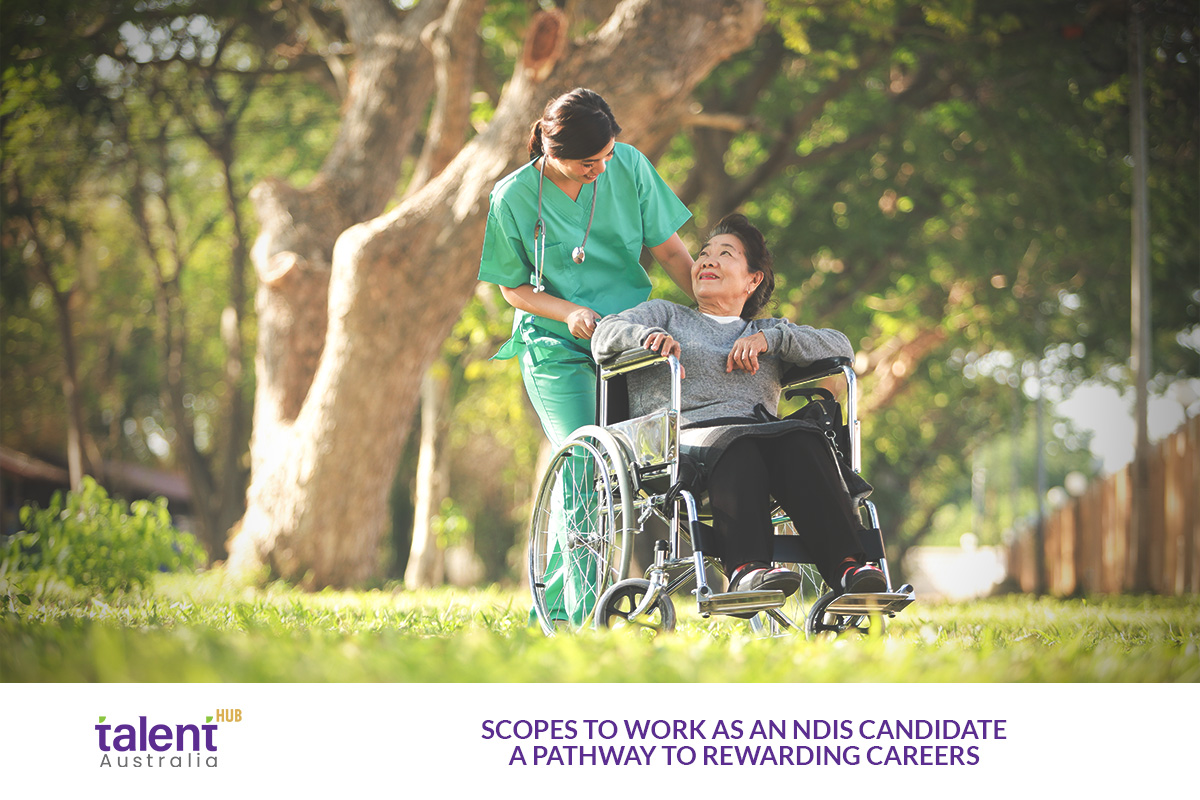
These professionals often work directly within healthcare facilities, NDIS organisations, clinics, community settings, or corporate offices.
Common local roles include:
- Support workers
- Registered nurses
- Allied health professionals
- Care coordinators
- Reception staff
- Office administrators
Local employees typically possess strong knowledge of Australian regulations, workplace standards, and participant expectations.
Benefits of Local Hiring
Many healthcare and NDIS providers continue to prioritise local recruitment because of several key advantages.
Strong Understanding of Local Requirements
Australian healthcare and disability sectors operate under strict regulations.
Local professionals often have direct experience with:
- NDIS compliance requirements
- Australian healthcare standards
- Workplace health and safety obligations
- Local cultural expectations
This familiarity can support service quality and regulatory compliance.
Easier Face-to-Face Service Delivery
Many healthcare and support roles require direct interaction with participants, clients, and patients.
Local employees can provide:
- In-person care
- Community-based support
- Home visits
- Clinical services
- On-site administration
These functions generally require a local workforce presence.
Improved Communication
Working within the same time zone can improve collaboration and responsiveness.
Teams often benefit from easier scheduling, meetings, and day-to-day communication.
What Are Offshore Services?
Offshore services involve engaging professionals located outside Australia who provide remote support to local businesses.
Offshore teams often assist with non-clinical and administrative functions rather than direct participant care.
Common offshore support roles include:
- Recruitment administration
- Scheduling support
- Data entry
- Customer service
- Payroll assistance
- Compliance administration
- Virtual reception services
These professionals work remotely while supporting Australian healthcare and NDIS operations.
Benefits of Offshore Services
Offshore workforce solutions have become increasingly popular among healthcare and NDIS providers seeking greater operational efficiency.
Reduced Operational Costs
One of the main advantages involves cost savings.
Businesses can often access skilled administrative support at a lower overall cost compared to traditional in-house staffing models.
This allows organisations to allocate more resources toward participant services and business growth.
Extended Business Support Hours
Offshore teams may operate across different time zones.
This can create opportunities for extended administrative coverage and improved business responsiveness.
Scalability and Flexibility
Organisations can often scale offshore support more quickly than traditional recruitment processes allow.
This flexibility helps businesses respond to changing workloads and service demands.
Choosing the Right Workforce Model
The decision between local hiring and offshore support should align with business objectives and service requirements.
For participant-facing roles, local recruitment remains essential.
Positions involving direct care, clinical support, and community engagement generally require employees located within Australia.
For administrative and operational functions, offshore support may provide an efficient alternative.
Many successful healthcare and NDIS providers now combine both workforce models.
This hybrid approach allows businesses to maintain local service delivery while improving operational efficiency through remote support services.
The Hybrid Workforce Model
A growing number of Brisbane healthcare and NDIS organisations are adopting hybrid workforce strategies.
Under this model:
- Local employees focus on participant services
- Offshore professionals support administration
- Internal teams gain additional capacity
- Operational costs remain manageable
- Businesses improve scalability
This approach allows providers to balance service quality with operational efficiency.
How Talenthub Australia Supports Workforce Planning
Talenthub Australia helps healthcare and NDIS organisations navigate evolving workforce challenges through tailored recruitment and staffing solutions.
Whether businesses require local healthcare professionals, disability support workers, administrative staff, or workforce planning support, Talenthub Australia provides access to industry-focused recruitment expertise.
Organisations can also explore workforce insights and industry trends through the Talenthub Australia Blog. Job seekers looking for healthcare and disability opportunities can browse available roles through the Talenthub Australia Job Board.
By supporting employers with practical workforce solutions, Talenthub Australia helps organisations build sustainable and efficient teams.
Finding the Right Balance for Long-Term Growth
There is no single workforce solution that suits every healthcare or NDIS provider.
Local hiring delivers essential participant-facing support and regulatory expertise. Offshore services can strengthen administration, improve efficiency, and reduce operational pressures.
For many Brisbane organisations, combining both approaches offers the greatest flexibility and long-term value.
A well-planned workforce strategy helps providers maintain service quality, support growth, and remain competitive in a rapidly evolving healthcare and disability sector.
Final Thoughts
Looking to strengthen your healthcare or NDIS workforce? Talenthub Australia helps employers access local recruitment expertise and workforce support solutions tailored to operational needs. Explore recruitment services, industry insights, and career opportunities through Talenthub Australia’s specialist healthcare and disability recruitment network
Explore more articles: